

Scientific work
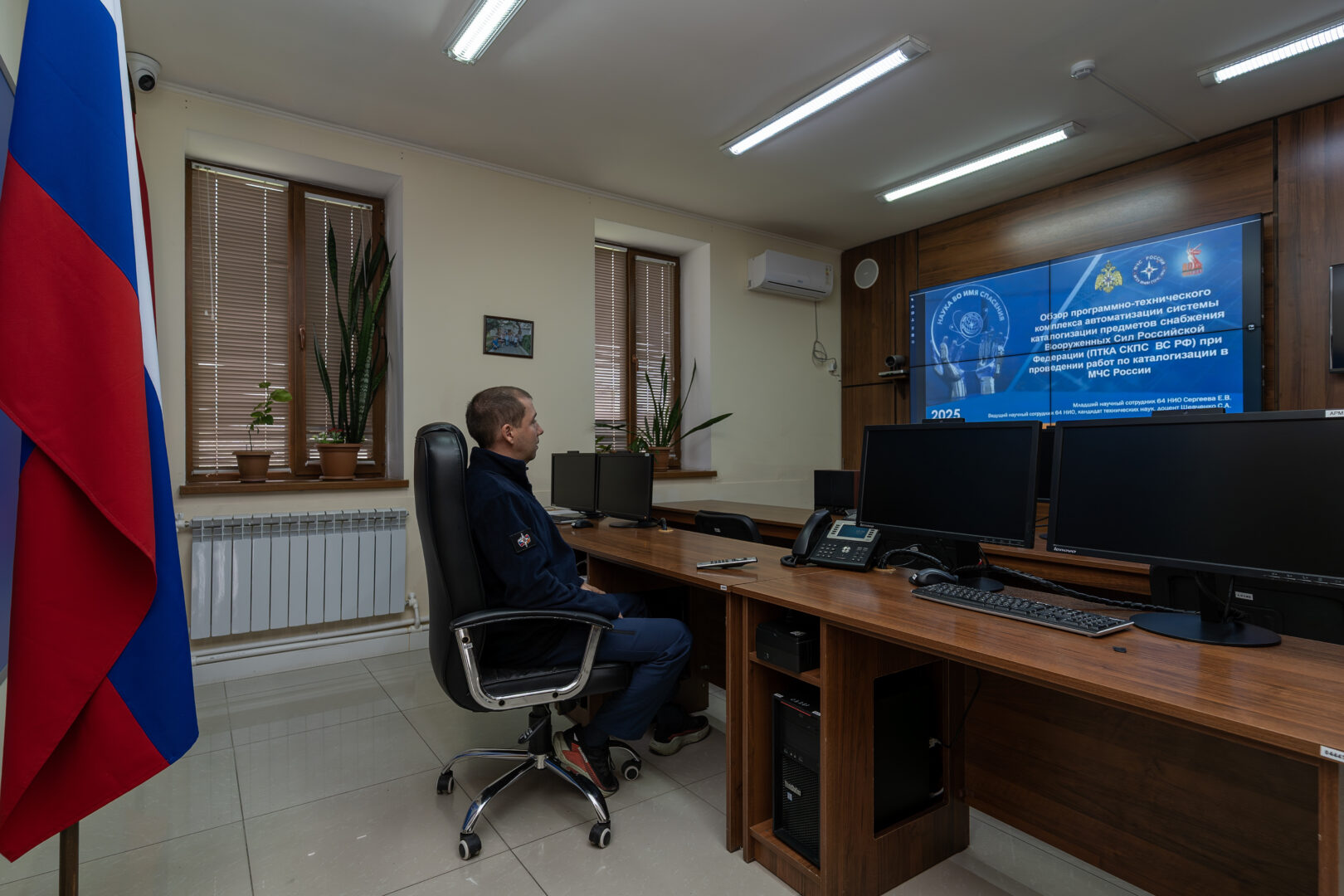
RACHR carries out applied scientific, analytical, and expert activities aimed at developing modern approaches to rescue training and enhancing the effectiveness of emergency response.
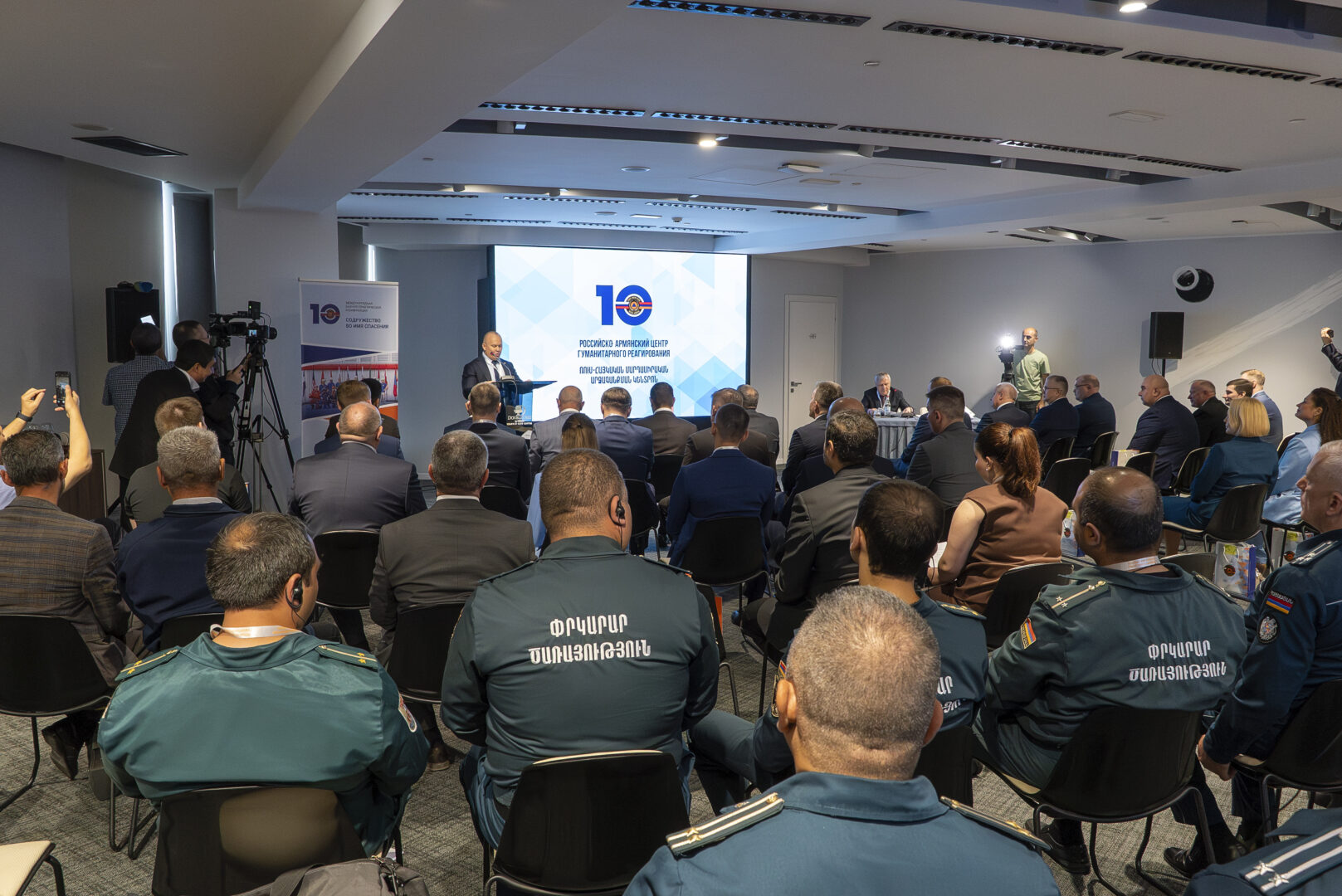
The Center participates in international scientific and practical conferences, specialized forums, and interdepartmental events, and serves as a venue for its own scientific and educational events.
Participation in Scientific Events
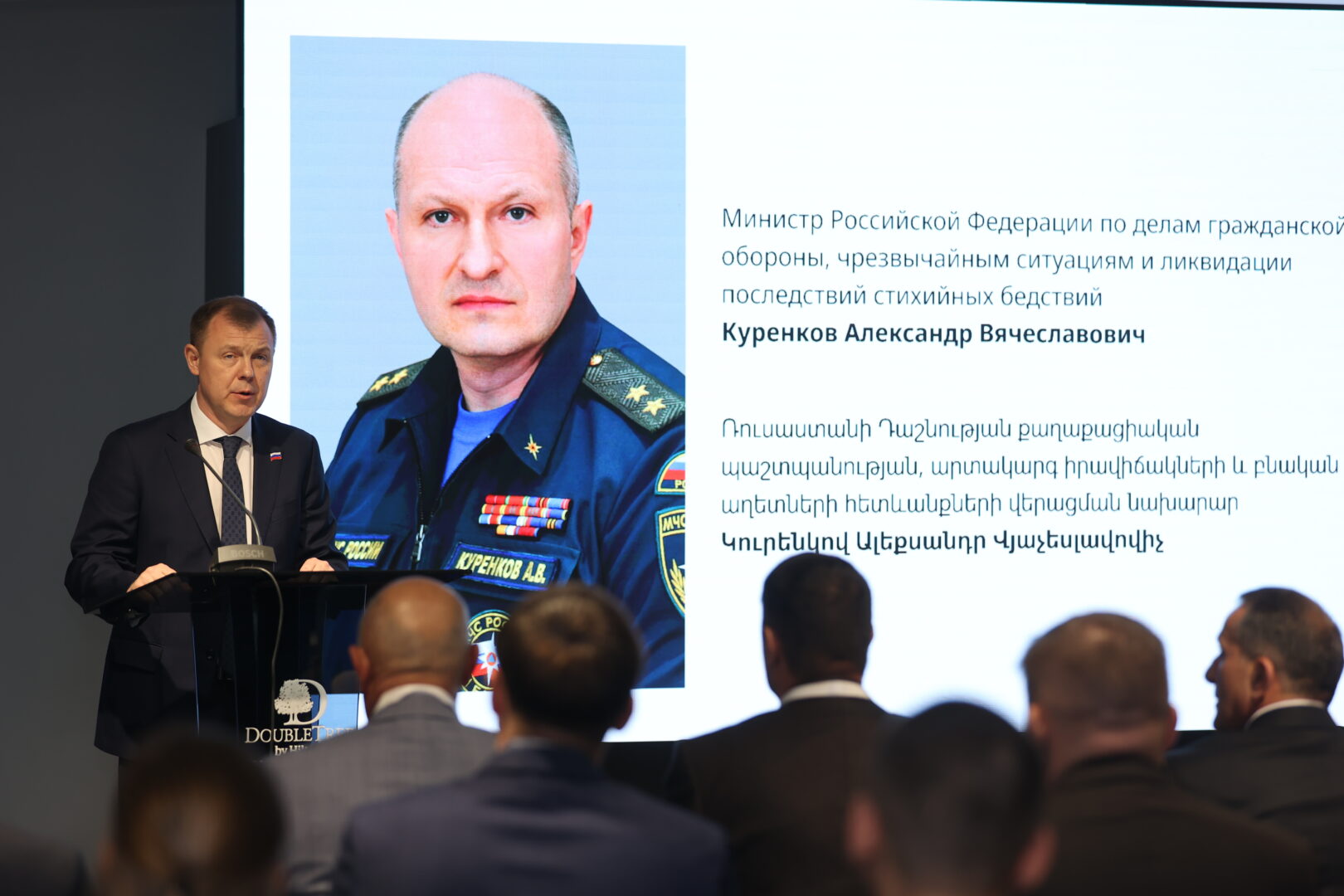
Representatives of the Center regularly take part in international conferences dedicated to civil defense, emergency rescue operations, and the implementation of modern technologies, including events organized by specialized institutions of the EMERCOM of Russia system.
Within scientific sessions, key issues are addressed such as the training of firefighters and rescuers, the application of unmanned technologies, the development of information systems, and ensuring the resilience of critical infrastructure and life-support systems.
The outcomes of expert engagement and best practices discussed at such platforms are integrated into the Center’s educational programs and used to improve training methodologies.
Organization of Conferences and Exchange of Experience
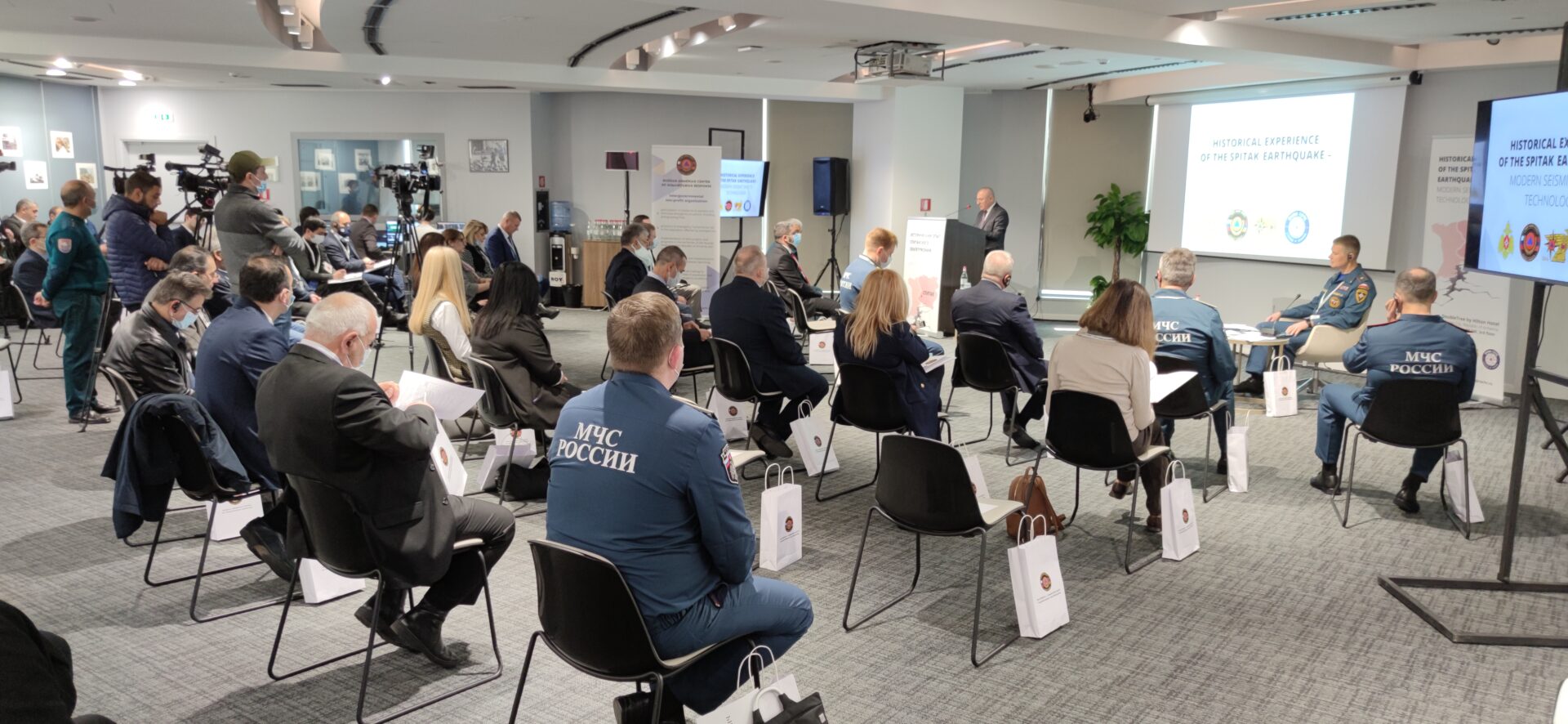
RACHR acts as an organizer and co-organizer of international scientific and practical conferences that bring together specialists in civil protection and emergency response.
Among the key events are the conferences “Commonwealth in the Name of Salvation” and “Historical Experience of the Spitak Earthquake – Modern Seismic Safety Technologies”, held with the participation of scientific organizations and rescue services from various countries.
Such events create a professional platform for the exchange of experience, discussion of current challenges, and the development of coordinated approaches to the protection of populations and territories.
Prospective Research Areas
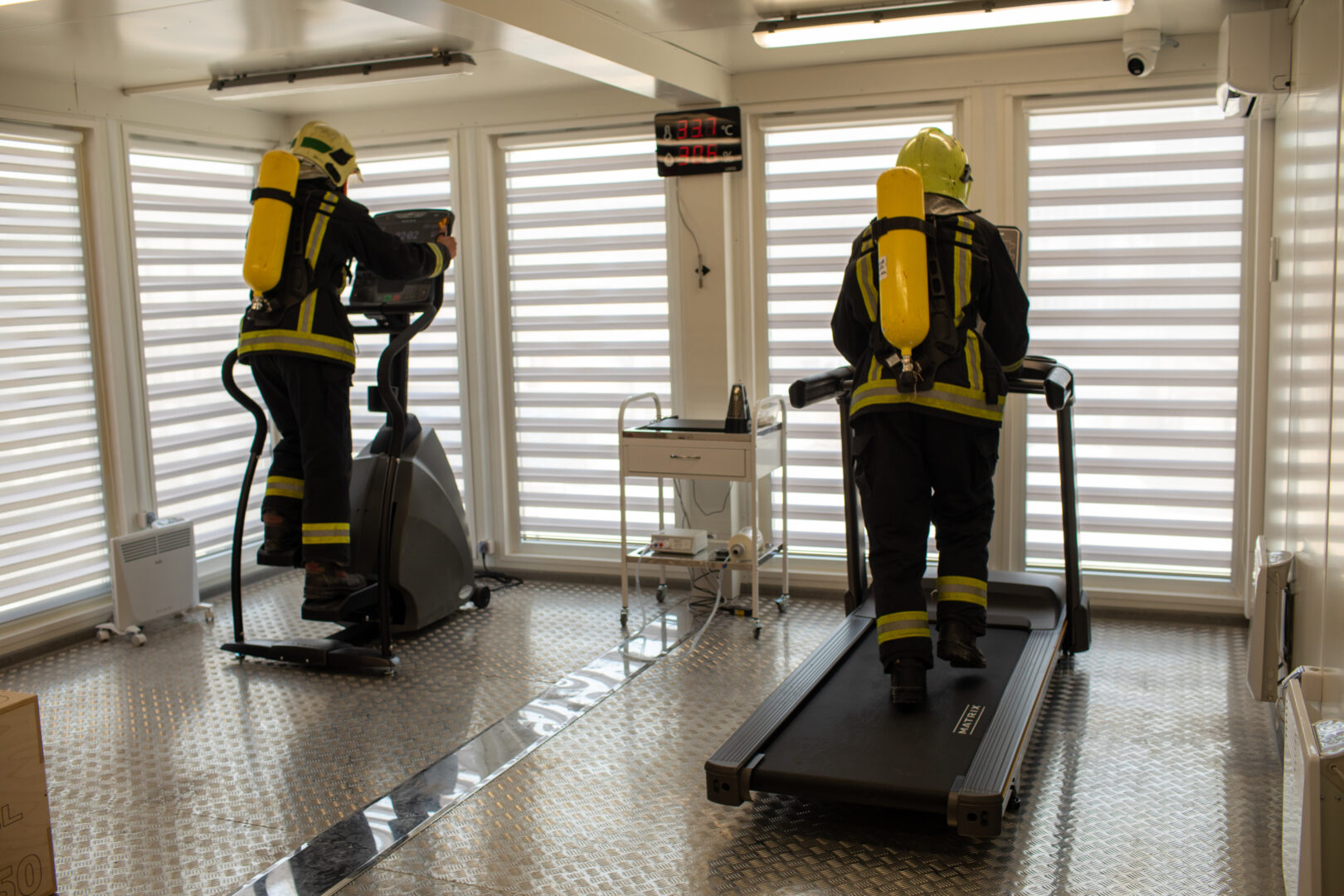
One of the priority areas of development is the establishment of a scientific framework for studying the functional state of rescuers in conditions close to real-life scenarios.
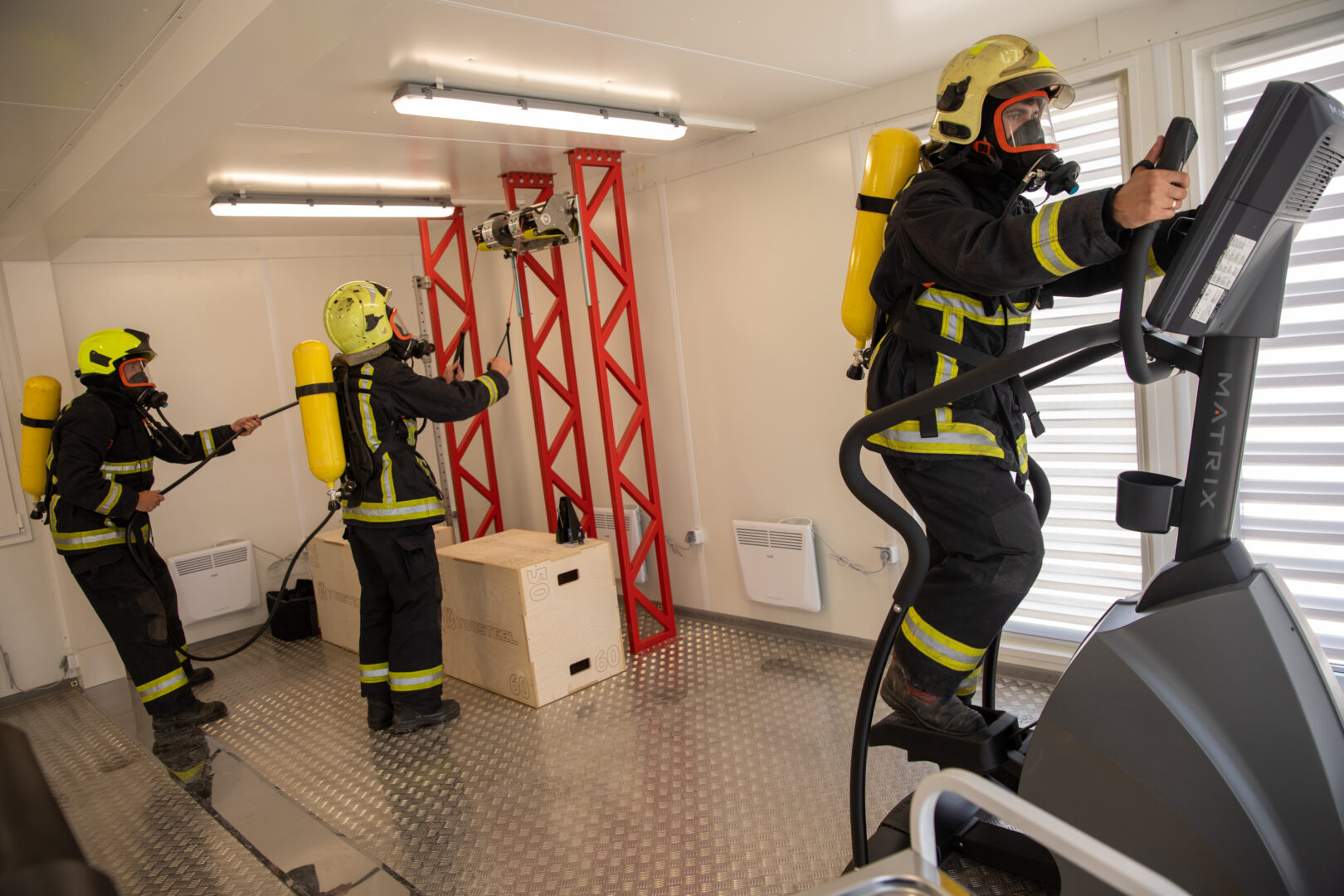
At the Center’s multipurpose training complex, the module “Laboratory for the Assessment of Functional Readiness of Firefighters and Rescuers” is in operation. It provides a comprehensive evaluation of physical condition, simulation of workloads corresponding to real operational activities, and analysis of key physiological indicators, including metabolism and body composition.
In the future, the Center plans to involve medical students and specialized experts in conducting research on the physiological response to various types of operational loads during emergency rescue operations. The results of such studies will be used to develop practical recommendations and further enhance the effectiveness of rescue training.